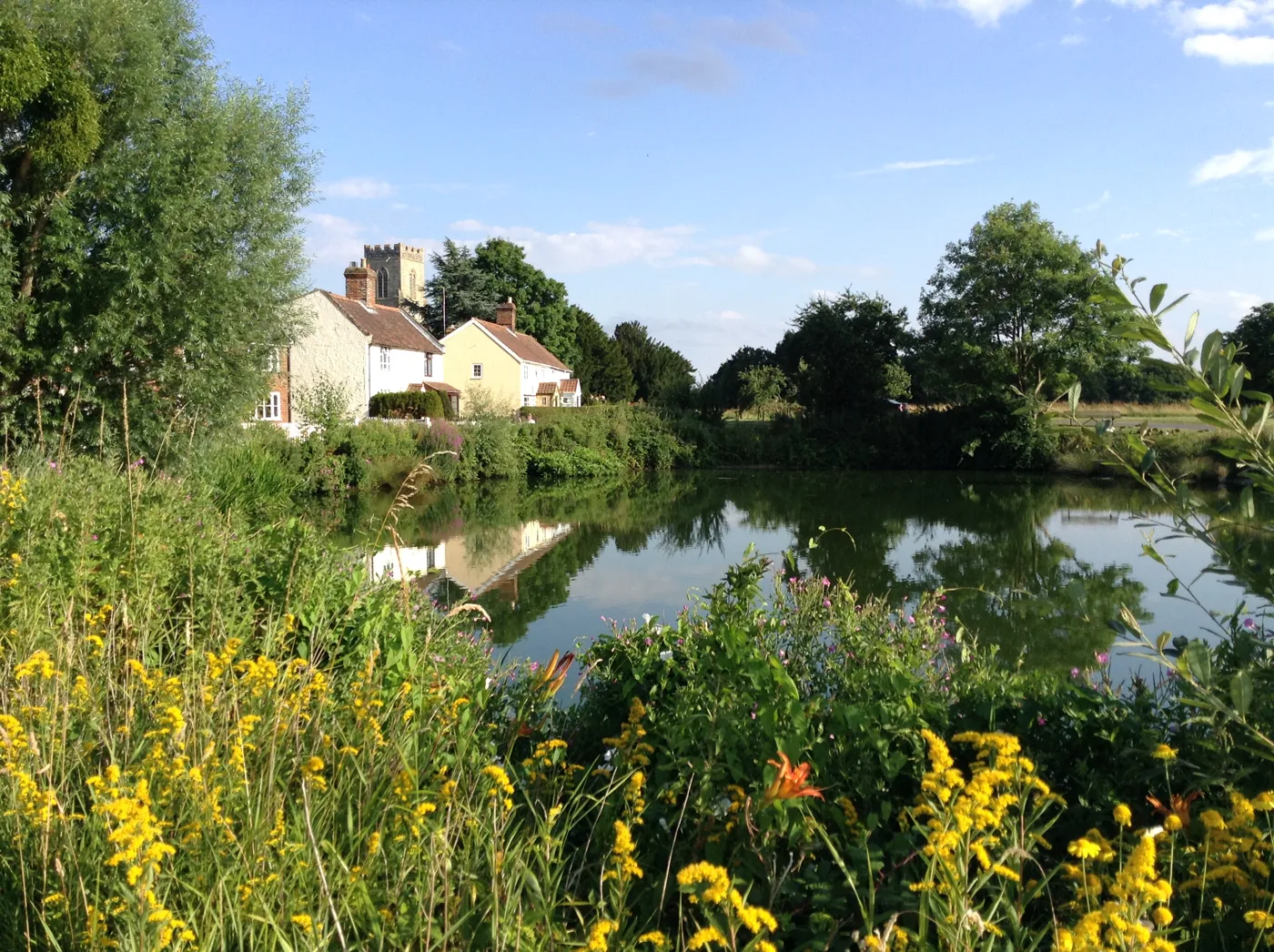

Parish councils, schools and charities have until 18 September to bid for up to £10,000 for ponds, mini forests and paths. Round one shared £70,000.
Community groups in South Norfolk have until Friday 18 September to apply for up to £10,000 from the council’s Nature Conservation Fund. South Norfolk Council said on 1 September that applications close soon, with awards expected in October.
Town and parish councils, community groups, charities and schools in the district can apply. The fund is South Norfolk’s own, so groups in Broadland cannot bid. Nor can groups in Attleborough, which is in Breckland, not South Norfolk.
This is the second round. The first, run as a pilot, awarded £70,000 to 11 local groups, which is more than the council originally planned to give away: the February 2025 launch promised “five grants of up to £10,000 each”.
What the money is for
The council will score projects against four objectives, and says the strongest applications will hit all of them:
- carbon sequestration
- biodiversity benefit
- public access to greenspace
- air quality and urban cooling
Air quality is new this round. The first round ran on the other three.
Four project types get priority, according to the council’s guidance for applicants:
- Miyawaki mini forests, planted with native whips at three to five per square metre. The guidance says a £10,000 grant covers the cost of one.
- Ponds, either newly dug or restored, including “ghost ponds” that were filled in or lost to neglect.
- Circular walks, which must start and finish in roughly the same place to qualify, plus “missing links” funding to cover the legal fees of permissive path agreements with landowners.
- Tree planting for air quality, aimed at school playgrounds, care settings, car parks and industrial sites.
Other ideas are accepted if the results can be measured.
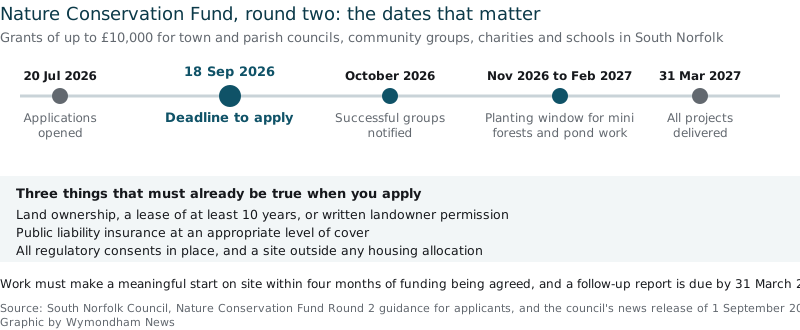
The conditions the press release does not mention
The guidance sets several tests that will rule projects out before anyone reads the idea:
- Applicants must own the land, hold a lease of at least 10 years, or have written landowner permission at the point of application. Not later.
- They must hold public liability insurance at an appropriate level.
- All regulatory consents must already be in place.
- Work must make a meaningful start on site within four months of the funding being agreed. If a scheme stalls and an evaluation meeting concludes it will not proceed, the money has to be handed back for reallocation. It cannot be moved to a different project.
- The benefits must last at least 10 years. For missing-link path agreements the minimum is 20 years, and the council says it prefers 30.
- Successful groups must file a one-page report at the end of delivery and another 12 months later, by 31 March 2028.
There is one requirement that will catch some parish councils out. The guidance says project locations “must be cross referenced with housing allocations to ensure that they do not fall within allocated zones”, to be checked against a neighbourhood plan or the Greater Norwich Local Plan. That matters here: the call-for-sites register for the Greater Norwich Local Plan to 2045 lists 29 sites around Wymondham alone, covering 1,396 hectares.
The timing is tight
The calendar is the hardest part of this round. Applications close on 18 September and the council says successful projects will be notified by October. Mini forests and pond restoration both have to be done between November and February, because that is when planting works and when disturbing pond wildlife does least harm. Everything must be finished by 31 March 2027.
Creating a new pond may also need full planning permission, which the guidance warns is “likely to take up to 8 weeks”. Town and parish councils get a 50 per cent discount on the fee and may be covered by permitted development rights. Enlarging an existing pond by more than a modest amount needs permission too. Those weeks come out of the same winter window.
Match funding is not required, but the council says it strongly encourages it, and volunteer time and donated materials count. Grants are paid upfront against quotations for the work. Project costs should exclude VAT unless it cannot be recovered.
What it means for you
If you are on a parish council, a school governing body or a village hall committee with a piece of land and an idea, this is a fortnight’s work, not a year’s. The decisions are made by the council’s Climate Change and Environment Team rather than a councillor panel, so unlike the council’s Community Action Fund, which closed in August, you do not need a district councillor to propose you.
Before you start, check three things: that you can evidence permission to use the land today, that your public liability cover is in place, and that the site is not inside a housing allocation. Any of the three will sink an otherwise good bid.
Applications and guidance are on the council’s Nature Conservation Fund page, and questions go to the Climate Change and Environment Team at environmentalstrategy@southnorfolkandbroadland.gov.uk.
More South Norfolk council information: bin collection days, council tax bands and planning applications.
Have your say